
The Evolution of the Modern Home: From Basic Shelter to Smart Haven
Introduction
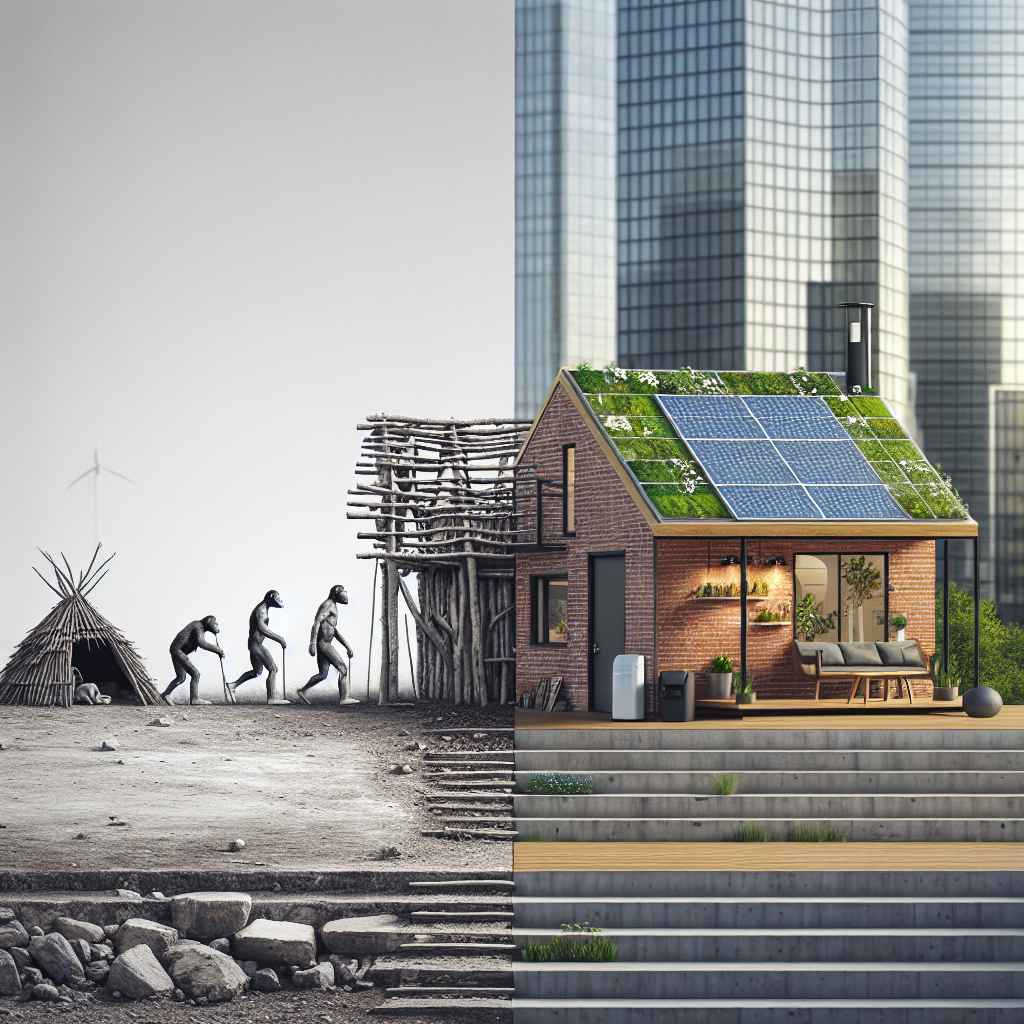
The concept of home has undergone significant transformation over the centuries. From the earliest shelters constructed by humans to today’s technology-infused smart homes, the idea of home continues to evolve. This article explores the many facets of what makes a house a home, how modern technology is influencing home life, and what the future holds for residential living.
The Traditional Home
The Historical Perspective
The evolution of homes began with basic needs: protection from the elements and safety from predators. Early humans utilized caves, followed by rudimentary structures made of wood, stone, and mud. As societies grew, so did the complexity and structure of homes.
Architectural Evolution
Throughout history, architecture has been a defining characteristic of homes. From the ornate designs of the Victorian era to the minimalist approach seen in mid-20th century homes, architecture has always reflected the cultural values and technological advances of the time.
Components of a Modern Home
Architecture and Design
Modern homes integrate aesthetics with functionality. Open floor plans, sustainable materials, and energy-efficient designs cater to contemporary lifestyles. Today’s homes are not just about shelter; they are a reflection of personal style and environmental consciousness.
Technology Integration
With the rise of the Internet of Things (IoT), technology has become an integral part of home design. Smart homes utilize interconnected devices to enhance convenience, security, and efficiency.
- Smart Appliances: Refrigerators, ovens, and washing machines that can be controlled remotely.
- Home Automation: Lighting, HVAC, and security systems that adapt to your lifestyle.
- Entertainment Systems: Integrated home theaters and music systems.
Impact of Technology on Home Life
Smart Homes
The emergence of smart homes has transformed how we interact with our living spaces. Voice assistants like Alexa and Google Home manage everyday tasks with ease. Advances in AI are leading to predictive features that anticipate household needs, further enhancing comfort and efficiency.
Work-Life Balance
The line between work and home has blurred with remote working becoming a norm. Home offices are now a standard feature in modern homes, equipped with high-speed internet and ergonomic design to support productivity.
The Future of Homes
Sustainability
As environmental concerns become more pressing, the focus on sustainable living is paramount. Future homes will likely emphasize renewable energy sources, such as solar and wind, and incorporate cutting-edge waste management systems.
Adaptable Living Spaces
Adaptability will be a key feature of future homes. As lifestyles and family dynamics change, so too will the ability of living spaces to transform. Movable walls, multi-use furniture, and virtual reality setups will allow for flexible and personalized living conditions.
Conclusion
The home is a constantly evolving concept, embodying the needs, preferences, and technological possibilities of each era. The journey from primitive shelters to smart homes reflects a deep interplay between human innovation, societal change, and cultural expression. As we look to the future, the home will continue to adapt and adjust to the ever-changing landscape of life.
