
Recreation Reimagined: How Play, Rest, and Renewal Shape a Better Life
What Recreation Really Means
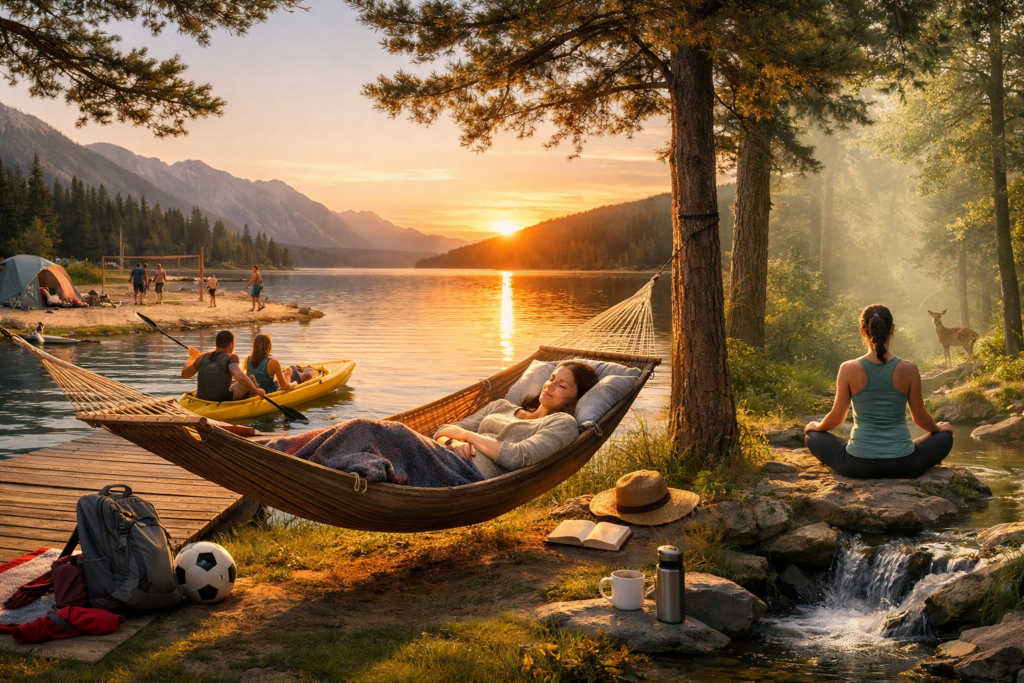
Recreation is any activity chosen freely for enjoyment, restoration, or personal fulfillment outside of obligatory tasks like work, school, or essential chores. The word itself hints at its purpose: to “re-create” the self—to renew energy, mood, attention, and a sense of meaning. Recreation can be active or quiet, solitary or social, structured or spontaneous. A long walk, a pickup basketball game, an evening of board games, a gardening session, or an hour of sketching can all qualify if they help you feel refreshed and engaged.
Importantly, recreation is not the same as distraction. While distraction can be momentarily soothing, recreation tends to restore you in a deeper way: it improves your capabilities (strength, stamina, creativity, patience) and reinforces your connection to your body, environment, or community.
Why Recreation Matters for Health and Well-Being
Physical benefits: movement with meaning
Many recreational activities involve movement, and even moderate physical activity supports cardiovascular health, joint mobility, balance, and sleep quality. Unlike rigid exercise plans, recreational movement often feels more sustainable because it is tied to enjoyment—hiking for the views, dancing for the music, swimming for the sensation of weightlessness. When movement is pleasurable, it’s easier to return to it consistently.
Mental benefits: stress relief and attention reset
Recreation offers a “reset” for the mind. Activities that fully absorb attention—like playing an instrument, rock climbing, or solving puzzles—can reduce rumination and provide a break from constant decision-making. Time in nature, in particular, is often associated with lower perceived stress and improved mood, partly because natural environments invite softer, less demanding focus than many digital settings.
Social benefits: belonging and shared joy
Shared recreation builds relationships in a low-pressure way. A weekly walking group, community sports league, crafting circle, or volunteer project can create routine social contact and a sense of belonging. These interactions matter: social connection is strongly linked with resilience during stressful periods and can buffer against loneliness.
Personal growth: identity beyond productivity
Recreation also supports identity. When life becomes narrowly defined by output and responsibilities, recreational pursuits remind you that you are more than your to-do list. A hobby can become a long-term source of pride and progress: learning new recipes, improving at chess, finishing a trail series, or cultivating plants through the seasons.
Types of Recreation: Finding What Fits
Recreation is broad, and the best choices depend on your preferences, energy levels, and available resources. Consider these categories as a menu rather than a checklist.
- Outdoor recreation: walking, cycling, fishing, hiking, kayaking, birdwatching, picnics, beach days.
- Sports and fitness recreation: team sports, swimming, climbing gyms, martial arts, yoga, dance classes.
- Creative recreation: painting, writing, music, photography, knitting, woodworking, cooking for pleasure.
- Intellectual recreation: reading, language learning, strategy games, museum visits, lectures, puzzles.
- Social and cultural recreation: festivals, community events, theater, game nights, clubs and meetups.
- Restorative recreation: meditation, gentle stretching, slow gardening, baths, unhurried time with pets.
A balanced recreational life often includes more than one type. For example, pairing an active pursuit (like cycling) with a restorative one (like journaling) can support both energy and recovery.
Recreation Across Life Stages
Children and teens
For young people, recreation is foundational. Unstructured play supports social skills, coordination, creativity, and emotional regulation. As schedules get busier, maintaining space for play—without turning every activity into a performance—can protect motivation and confidence.
Adults
Adult recreation often competes with work, caregiving, and household responsibilities. The key is to treat recreation as a necessity rather than a reward you earn only after everything is done. Short, repeatable activities—20 minutes of walking, a quick sketch, a regular class—can have outsized benefits when done consistently.
Older adults
Recreation later in life supports mobility, cognitive engagement, and community connection. Low-impact movement (like swimming or tai chi), creative hobbies, and group activities can preserve function and foster purpose. The best recreational choices are those that respect recovery needs while still offering challenge and novelty.
How to Build a Sustainable Recreation Habit
Start with “minimum viable recreation”
If time and energy are limited, begin with a version you can do even on busy days. That might be a 10-minute walk after lunch, a short stretching routine, or one chapter of a book before bed. Small experiences of renewal create momentum.
Choose activities that match your current season
Your ideal recreation changes. During high-stress periods, calmer and simpler options may work best. When you have more bandwidth, you can add novelty or intensity. Sustainability comes from flexibility, not perfection.
Design your environment for ease
Make recreational choices frictionless: keep a packed day-hike bag ready, store art supplies where you can reach them, or place a bike helmet by the door. When recreation requires fewer steps, it’s more likely to happen.
Use social accountability wisely
Some people thrive with a scheduled class or a standing meetup. Others prefer solo time. If you struggle with follow-through, a low-pressure commitment—like a weekly walk with a friend—can turn recreation into a reliable routine.
Common Barriers—and Practical Workarounds
- “I don’t have time.” Use shorter sessions, combine recreation with errands (walk to a café), or replace a portion of passive screen time with an activity that restores you.
- “I’m too tired.” Choose restorative recreation first—gentle movement, nature time, or quiet creativity—then build toward more active options as energy returns.
- “It costs too much.” Explore libraries, community centers, free trails and parks, local clubs, swap groups, and low-cost hobbies like drawing or bodyweight workouts.
- “I’m not good at it.” Pick beginner-friendly formats and focus on enjoyment and progress rather than performance; competence often follows consistency.
Recreation as a Skill, Not a Luxury
In a culture that often celebrates constant productivity, recreation can look optional. In reality, it is a skillful practice of renewal—one that strengthens health, relationships, and creativity while preventing burnout. The goal is not to fill every moment with activity, but to choose forms of play and rest that make life feel more expansive. When recreation becomes a regular part of your schedule, it quietly improves everything else you do—because you return to your responsibilities with a clearer mind, a steadier body, and a fuller sense of yourself.
