
Recreation Reimagined: How Play, Rest, and Purposeful Leisure Strengthen Daily Life
What Recreation Really Means
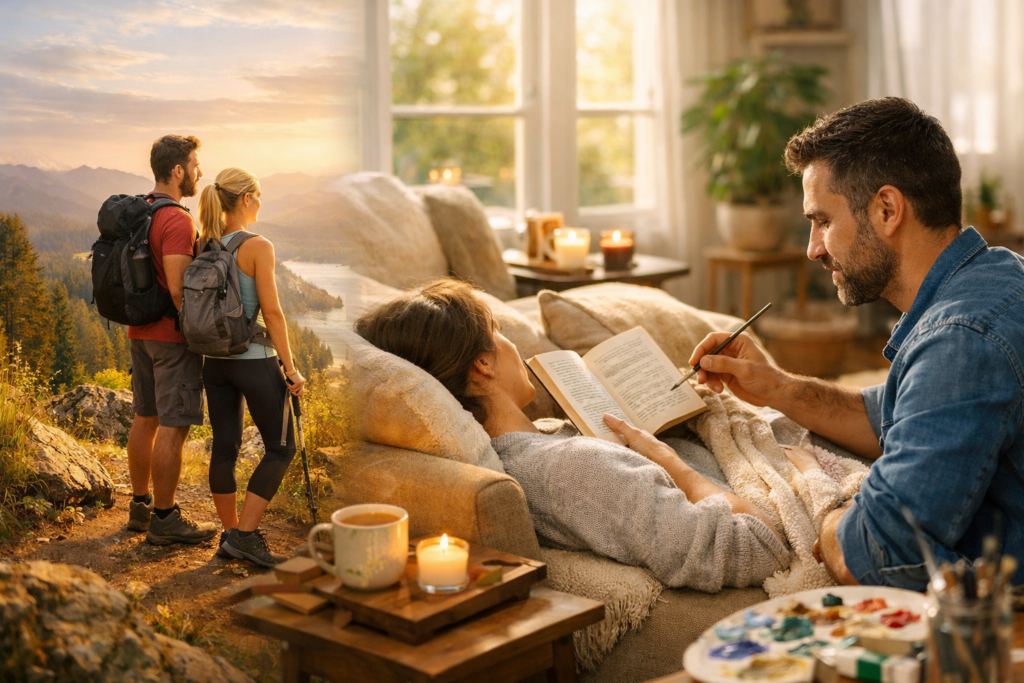
Recreation refers to activities people choose in their free time for enjoyment, renewal, and personal satisfaction. The word shares roots with “re-create,” suggesting a return to energy and wholeness. Recreation can be active or quiet, social or solitary, structured or spontaneous. What matters is the result: you feel restored, engaged, or meaningfully entertained.
In modern life, recreation is often squeezed between work, family responsibilities, and digital distractions. Yet it is not a luxury. Like sleep and nutrition, it is a practical ingredient of long-term well-being. When recreation is neglected, stress accumulates and motivation drops; when it’s supported, people tend to make better decisions, relate more patiently, and recover faster from challenges.
Why Recreation Matters for Health and Happiness
Physical benefits
Many recreational activities involve movement—walking, cycling, swimming, dancing, gardening, or casual sports. Even moderate activity improves cardiovascular health, mobility, and energy levels. Recreational movement often feels easier to maintain than formal exercise because it’s tied to enjoyment rather than obligation.
Mental and emotional benefits
Recreation interrupts stress cycles. A change of scenery, a playful game, or a creative hobby can reduce rumination and give the brain a chance to reset. Enjoyable activities also support positive mood, build confidence through skill development, and provide a sense of progress outside of work or school.
Social connection and belonging
Shared recreation—from community leagues to book clubs—creates a low-pressure environment for forming friendships. These relationships matter: social support is linked with better resilience and overall life satisfaction. Recreation can also strengthen family bonds by creating shared rituals and memories.
Meaning and identity
Not all recreation is purely “light.” Volunteering, participating in cultural events, or learning an instrument can be recreational when it is chosen freely and experienced as fulfilling. Over time, these choices shape identity: you’re not just someone who works—you’re someone who hikes, paints, coaches, or explores new places.
Types of Recreation: A Practical Map
Recreation comes in many forms, and most people benefit from a mix. Consider these broad categories:
- Active recreation: walking, team sports, rock climbing, skating, yoga, kayaking.
- Creative recreation: drawing, woodworking, photography, writing, cooking for fun.
- Nature-based recreation: hiking, birdwatching, picnicking, beachcombing, camping.
- Social recreation: board game nights, dance classes, community festivals, group fitness.
- Restorative recreation: reading, baths, mindfulness, gentle stretching, listening to music.
- Learning-focused recreation: language practice, hobby courses, museums, lectures you choose.
Different categories serve different needs. After a mentally intense day, restorative recreation may be best. After hours of sitting, active recreation may be the quickest route to feeling better.
Recreation vs. Passive Consumption
Not all leisure is equally restorative. Streaming shows or scrolling social media can be enjoyable, but they don’t always provide recovery—especially if they lead to late nights, comparison stress, or a sense of time slipping away. The key difference is how you feel afterward. If an activity leaves you calmer, more energized, or satisfied, it is likely recreational. If it leaves you drained or restless, it may be a default habit rather than a true break.
A helpful approach is to balance passive leisure with activities that offer one or more of the following: movement, mastery (learning or improving), meaning, or connection.
How to Build a Recreation Routine That Sticks
Start with a clear purpose
Ask what you want your recreation to do for you: reduce stress, improve fitness, meet people, spark creativity, or simply bring more joy into the week. Purpose helps you choose activities that fit your life rather than copying someone else’s idea of “fun.”
Make it small and frequent
Recreation doesn’t have to wait for weekends or vacations. Ten minutes of stretching, a short walk at lunch, or a quick sketch can have real impact. Frequent, small moments are easier to protect than rare, big plans.
Design for convenience
Lower the friction. Keep a book in your bag, store a ball or jump rope by the door, or pre-load a map for a nearby trail. If it takes too many steps to begin, you’ll skip it when you’re tired.
Include both “solo” and “social” options
Life is unpredictable; friends get busy and weather changes. Having at least one solo activity (like walking or journaling) and one social activity (like a class or club) makes your recreation plan more resilient.
Set boundaries around recovery
Recreation competes with endless inputs: email, notifications, and obligations. Try setting a “recreation window” where you’re not available for errands or work messages. Protecting that time turns leisure into a dependable support system, not an afterthought.
Recreation Across Life Stages
Recreational needs shift over time. Children often thrive with open-ended play and safe exploration. Teens may look for identity-building activities like sports teams, music, or creative communities. Adults often need recreation that fits tight schedules and supports stress recovery. Older adults may prioritize mobility, social connection, and low-impact activities that maintain independence.
The best approach is flexible: as your body, schedule, and interests change, your recreation can evolve without disappearing.
Barriers to Recreation—and Realistic Solutions
- “I don’t have time.” Choose micro-recreation: 10–20 minutes, three times a week, is a meaningful start.
- “I’m too tired.” Match intensity to energy. Gentle movement or a calming hobby can restore you without draining you further.
- “It feels selfish.” Reframe recreation as maintenance. When you’re replenished, you show up better for others.
- “I don’t know what I like anymore.” Run small experiments: try one new activity every two weeks and track how you feel afterward.
- “It’s expensive.” Use free options: public parks, library programs, walking groups, community events, or at-home creativity.
A Simple Recreation Plan You Can Try This Week
If you want a practical starting point, choose one activity from each list:
- Quick reset (10–15 minutes): walk outside, stretch with music, read a few pages, do a short craft.
- Skill or interest (30–60 minutes): cooking a new recipe, learning a chord progression, photography practice, joining a class.
- Connection (weekly): invite someone for a walk, attend a community meetup, host a game night.
Then schedule them like appointments. Recreation works best when it is planned enough to happen, but open enough to stay fun.
Conclusion: Recreation as a Vital Life Skill
Recreation is not merely what you do when everything else is done; it is part of what makes life sustainable and enjoyable. By choosing activities that restore energy, build connection, and encourage growth, you strengthen your ability to handle stress and deepen your everyday experience. The most effective recreation is personal, consistent, and aligned with what truly makes you feel alive.
